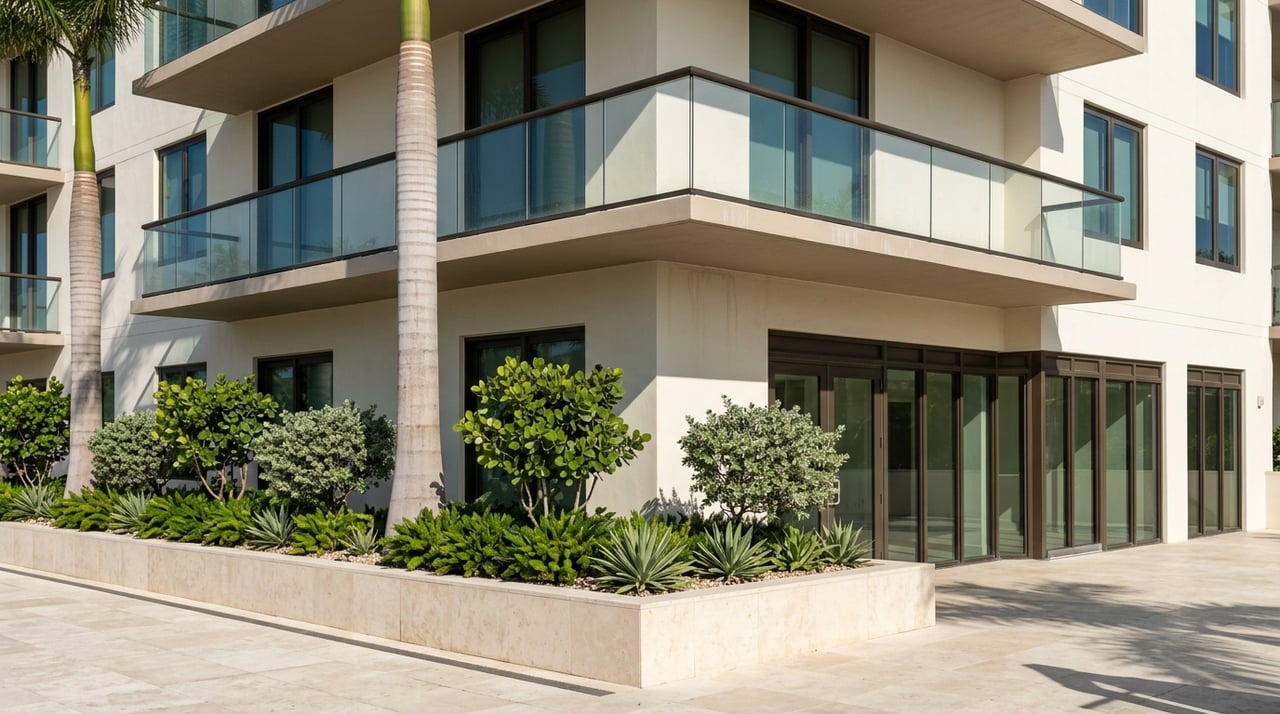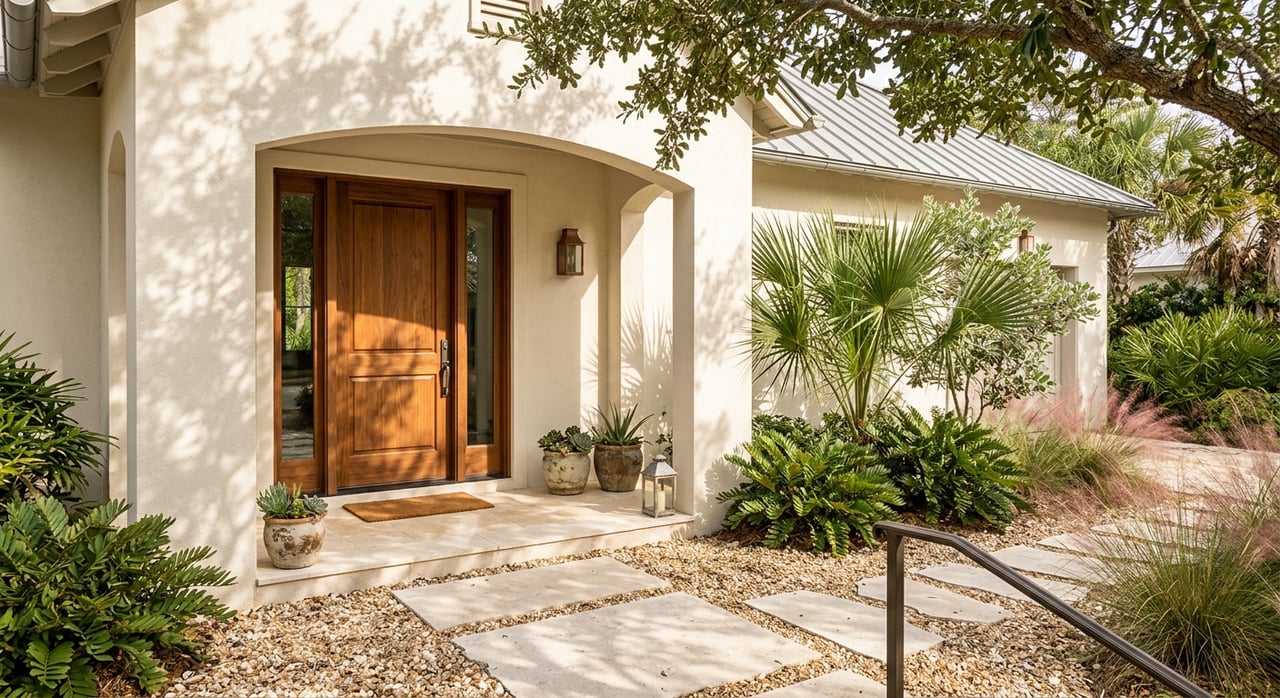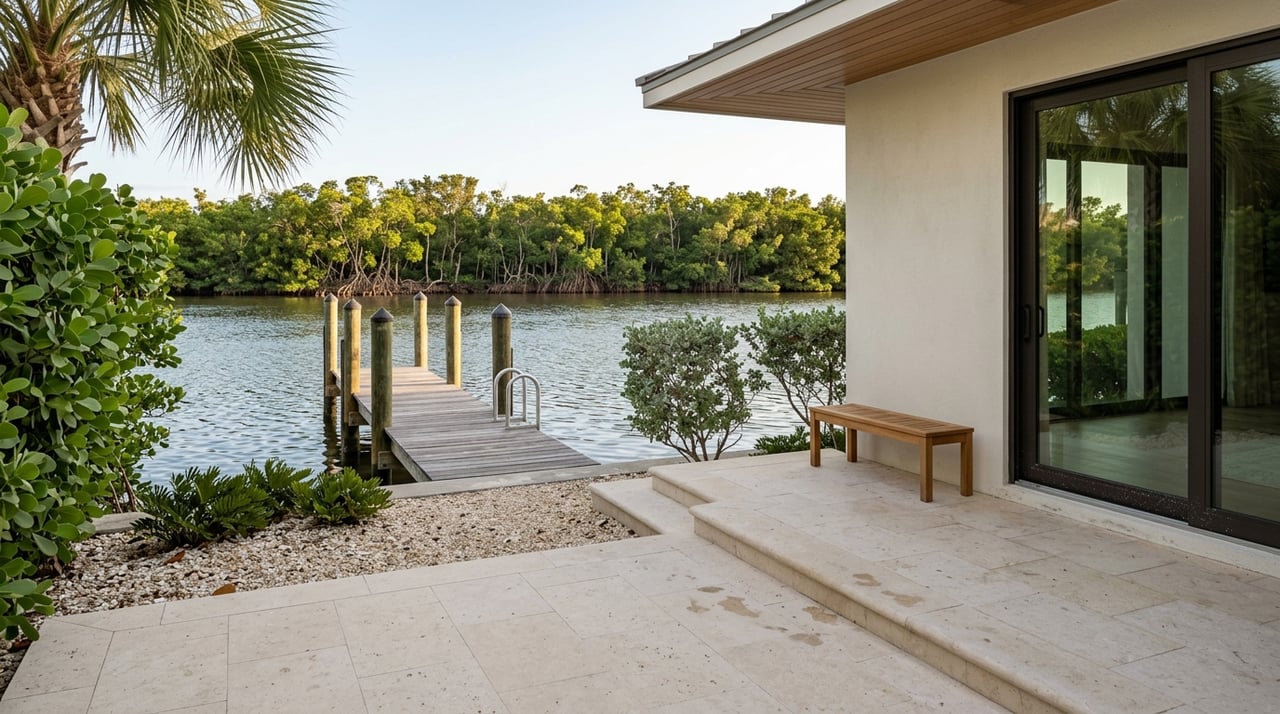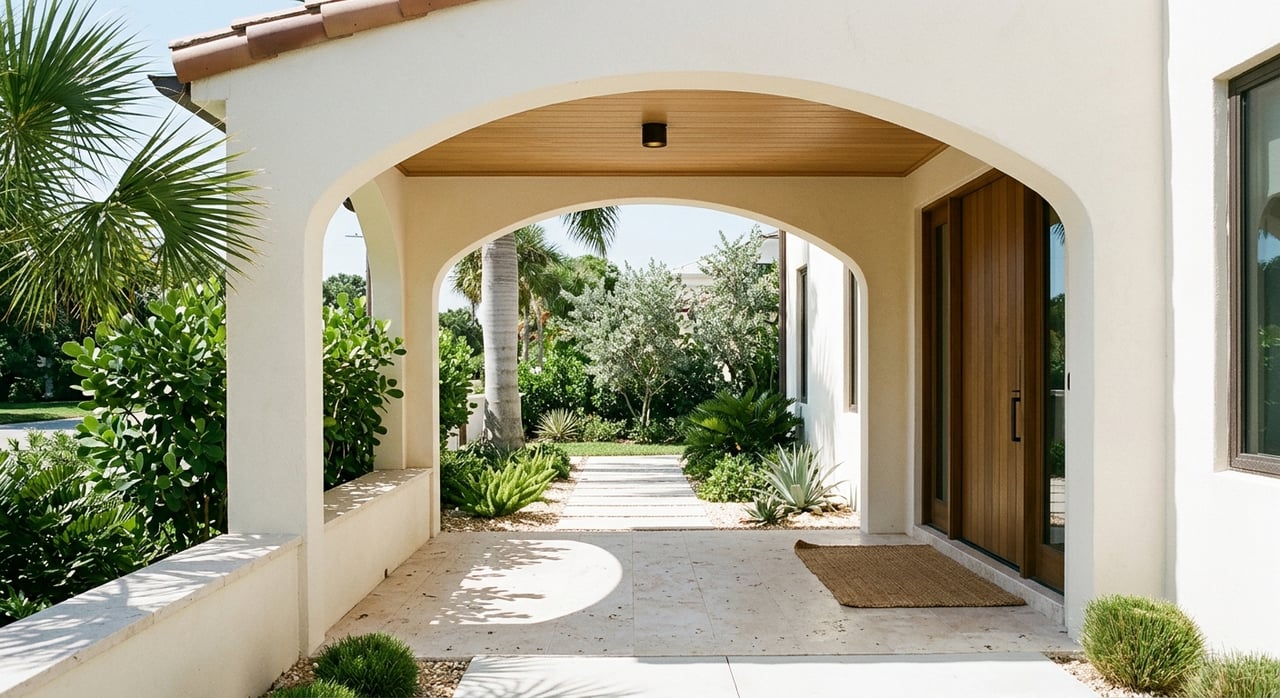
Wondering whether Venice Island or mainland Venice is the better fit for your next move? It is a smart question, because these two sides of Venice can feel very different in daily life, housing choices, and long-term considerations. If you are comparing walkability, home styles, access, and lifestyle tradeoffs, this guide will help you sort through the difference with more clarity. Let’s dive in.
Venice Island at a glance
Venice Island is the city’s historic core, shaped by John Nolen’s 1926 plan. That plan organized the area around residential, work, and recreation spaces, with parks, a waterfront promenade, and a coordinated architectural style. The result is a setting that still feels distinct today, with lower-rise buildings and a strong sense of place.
The City of Venice notes that the Island of Venice is not a barrier island. Vehicle access on and off the island runs through the North/KMI, Venice Avenue, and Circus bridges. That is a practical detail worth keeping in mind if you are thinking about daily commuting, seasonal traffic, or storm planning.
Mainland Venice at a glance
Mainland Venice offers a broader range of neighborhoods and housing formats. If you want more detached-home options, more variety in lot sizes, or neighborhoods built around specific amenities, the mainland usually gives you more to compare. It can feel more spread out, but that extra space is often part of the appeal.
Areas like South Venice help show this difference. Census data for South Venice points to 15,619 residents, 83.3 percent owner occupancy, and an average of 2.33 persons per household, compared with 1.76 persons per household citywide. The median owner-occupied home value in South Venice is also lower than the city overall, at $337,300 versus $434,700.
Walkability and daily routine
Island living favors a walk-first lifestyle
If your ideal day includes leaving the car parked, Venice Island has a clear advantage. Downtown Venice dates to the 1920s and sits less than a mile from Venice Beach, which makes it easy to combine errands, dining, and beach time in one outing. Free parking at Centennial Park and free street parking also support an easy in-and-out downtown routine.
That closeness shapes daily life in a real way. You may be able to walk to shops, restaurants, public spaces, and the beach more often, especially if you live near the historic core. For many buyers, that convenience is one of the island’s biggest draws.
Mainland living often means more driving
On the mainland, your routine may depend more on driving between home, shopping, parks, and the waterfront. That does not mean the lifestyle is less appealing. It simply tends to be less compact.
For some buyers, that tradeoff is worth it. If you want more home choices, more interior living space, or a neighborhood with its own amenities, driving a bit more can feel like a small compromise.
Beach and outdoor access
Venice Island puts the coast close
Venice Beach is one of the island’s signature features. It is recognized as a Certified Blue Wave Beach and includes a 1963 pavilion, daily lifeguards, restrooms, boardwalks, and wheelchair-access features. If direct access to a well-known public beach is high on your list, island living makes that easier to enjoy often.
The island also connects well to outdoor recreation beyond the beach itself. At the south end of the island, the city operates the 720-foot fishing pier at Brohard Park, open 24 hours a day with free admission and no fishing license required. That kind of public waterfront access adds to the island’s appeal for buyers who want a coastal routine built into everyday life.
Both areas support active living
Outdoor access is not limited to the island. Venetian Waterway Park offers 5 miles of trail on each side of the Intracoastal Waterway and connects to the Legacy Trail for nearly 23 miles of uninterrupted walking and biking. That creates a strong regional recreation feature for both island and mainland residents.
Some mainland communities also offer their own water-oriented amenities. In South Venice, community-based access includes a ferry, boat ramp, and kayak launch through local organizations. In Pinebrook South, amenities include a clubhouse, pool, kayak rack, small boat ramp, and three docks.
Housing style and inventory
Island housing is smaller and more condo-oriented
Housing on Venice Island is closely tied to the city’s planning history. The historic core included cottages, Mediterranean Revival homes, and multifamily blocks, while the Nolen plan preserved waterfront frontage for public use. Today, that legacy still shows up in the island’s lower-rise look and older housing stock.
The city’s historic register also reflects this character. Examples include the 1930 Edgewood Cottage and the 1964 Venice Beach Pavilion. For buyers who value historic architecture or a more established coastal setting, the island can offer a very specific kind of charm.
Current listing patterns also point to a smaller, more condo-oriented market. Zillow snapshots show about 52 single-family listings and 101 condo or apartment listings on The Island Venice, compared with about 785 single-family listings and 285 condo or apartment listings across Venice citywide. That suggests island buyers may find fewer overall choices and a heavier concentration of condos.
Mainland housing offers more variety
Mainland Venice tends to open up the search. Zillow snapshots show more than 200 single-family listings in South Venice alone, which helps illustrate the larger supply of detached homes off the island. If you want to compare ranch homes, newer resale options, manufactured homes, or amenity-based communities, the mainland often gives you a wider range.
Bay Indies is one example of a 55+ manufactured-home community on the mainland, located 2.2 miles from Venice Beach and 1.4 miles from Historic Downtown Venice. That kind of location can appeal to buyers who want to stay close to the waterfront and downtown while gaining a different housing format and price point. Mainland Venice often works well for buyers who want more flexibility in how they live and what they spend.
Character and setting
Venice Island feels historic and compact
The island’s identity is closely tied to design and planning. The original plan emphasized public waterfront areas, coordinated architecture, and a mix of residential and multifamily uses. That gives the island a more unified visual feel than many newer parts of Florida.
If you are drawn to historic character, lower-rise surroundings, and a compact coastal environment, that difference can matter a lot. Venice Island is often less about sheer square footage and more about experience, setting, and proximity.
Mainland Venice feels broader and more flexible
The mainland typically offers a different rhythm. Neighborhoods may be more spread out, but many buyers see that as a benefit because it expands the range of home sizes, community amenities, and household setups available. It can be especially helpful if you are relocating and trying to balance budget, space, and convenience.
South Venice’s census profile supports that broader-household feel, with more persons per household than Venice overall. While every buyer’s needs are different, mainland Venice often suits those who want more room or more detached-home choices.
Practical access and storm planning
Access is important anywhere on the Gulf Coast, but it deserves extra attention when comparing island and mainland living. The City of Venice notes that low elevation and flat terrain make the area vulnerable to storm surge and flooding. The city also says Venice Island and the Intracoastal Waterway influence evacuation routes, water service, and flood risk.
That does not make island living the wrong choice. It simply means you should weigh location with clear eyes and careful due diligence. If you are considering a condo, second home, or waterfront-oriented purchase, this is where a data-driven review of access, property details, and planning considerations becomes especially valuable.
Which side may fit you best
If you want the strongest walk-to-beach and walk-to-downtown lifestyle, Venice Island stands out. It also tends to suit buyers who appreciate historic character, a compact layout, and lower-rise surroundings. For seasonal buyers or condo shoppers, that combination can be especially attractive.
If you want more detached-home inventory, more room, or neighborhoods built around amenities, mainland Venice may be the better fit. It often gives you more options to compare across price points and property types. For relocation buyers, second-home shoppers, or anyone weighing convenience against space, the mainland can offer more flexibility.
The right choice depends on how you want to live day to day. A strategic home search starts by matching the property to your routine, priorities, and long-term plans, not just the map.
If you are comparing Venice Island and mainland Venice and want calm, informed guidance, K. Veronica Lee can help you evaluate the lifestyle, inventory, and due diligence details that matter most.
FAQs
What is the main difference between Venice Island and mainland Venice living?
- Venice Island is generally more walkable, historic, and condo-oriented, while mainland Venice usually offers more detached-home choices, more neighborhood variety, and more space.
Is Venice Island a barrier island in Venice, Florida?
- No. The City of Venice states that the Island of Venice is not a barrier island.
How do you get on and off Venice Island by car?
- The City of Venice says the vehicle connections are the North/KMI, Venice Avenue, and Circus bridges.
Is Venice Island closer to downtown and the beach?
- Yes. Downtown Venice is less than a mile from Venice Beach, which supports a more walk-first daily routine.
Does mainland Venice have more homes for sale than Venice Island?
- Based on the research report’s Zillow snapshots, yes. The island market appears smaller, and mainland areas such as South Venice show many more single-family listings.
What kind of homes are common on Venice Island?
- Venice Island is known for older, lower-rise housing that includes cottages, Mediterranean Revival homes, condos, and multifamily buildings.
What should buyers know about flood and storm planning in Venice, Florida?
- The City of Venice says low elevation and flat terrain make the area vulnerable to storm surge and flooding, and that Venice Island and the Intracoastal Waterway affect evacuation routes and flood risk.