What is it really like to live on Siesta Key when you are not spending the day on the sand? That is the question many buyers ask when they start looking at this well-known barrier island. If you are considering a full-time move, a seasonal home, or a lock-and-leave condo, it helps to understand how daily life actually works here. From errands and dining to transportation, housing, and seasonal rhythms, here is a practical look at everyday life on Siesta Key beyond the beach. Let’s dive in.
Siesta Key Daily Life at a Glance
Siesta Key is an eight-mile barrier island with four commonly referenced areas: Siesta Beach, Crescent Beach, Turtle Beach, and Siesta Key Village. Each area has a slightly different feel, which can shape how you experience day-to-day life.
The north end is generally known as the island’s more social and walkable center. The south end tends to feel quieter and more restorative, which appeals to buyers who want a calmer setting while still staying connected to island amenities.
For many buyers, that mix is part of the appeal. You can choose a more active, village-adjacent lifestyle or look for a setting that feels more tucked away and relaxed.
Getting Around Siesta Key
One of the biggest questions about island living is simple: do you need to drive everywhere? On Siesta Key, the answer may be no, at least not for every trip.
Sarasota County operates the free 77 Siesta Islander trolley every day from 8 a.m. to 10 p.m. It connects downtown Sarasota, Siesta Key Village, Siesta Beach, South Village, and Turtle Beach Park & Campground.
Because the route is designed to help reduce traffic congestion, it supports a more car-light lifestyle than many buyers expect. If you are staying near the route, you may be able to handle beach outings, casual dinners, or simple errands without moving your car.
That convenience can matter if you are buying a second home or condo and want easy, low-maintenance living. It can also be helpful if you are comparing different parts of the island and thinking about how often you want to drive on and off the Key.
Where You Run Errands on Siesta Key
Island life feels more practical when everyday stops are close by. Siesta Key Village, centered at Ocean Boulevard and Canal Road, functions as one of the island’s main hubs for daily needs.
There, you will find restaurants, beach retail, salon services, and a grocery store. The area also includes wide sidewalks, benches, and both free on-street parking and parking lots, which makes quick stops a little easier.
South Village, located at Stickney Point Road and Midnight Pass Road, expands those options. It includes boutique retail, beach equipment rentals, fishing charters, a marina, restaurants, and nightlife.
The island also has useful service stops for regular living. The Siesta Village Plaza includes a drug store and post office, and South Village has another post office.
That may sound simple, but details like these matter when you are deciding whether Siesta Key works as more than a vacation setting. Buyers often want to know whether they can comfortably manage everyday routines on the island, and in many cases, the answer is yes.
Dining and Social Rhythm
Daily life on Siesta Key tends to feel casual and outdoor-friendly. Dining on the island is mostly relaxed and patio-forward, which fits the setting and the climate.
You will find a range of options, including breakfast cafés, ice cream shops, seafood spots, tiki bars, and late-night places. According to the local chamber, many restaurants are family-friendly, and some are dog-friendly as well.
For some buyers, this creates an easy rhythm for seasonal living. You can head out for coffee, meet friends for a casual lunch, or keep evenings simple without needing to leave the island.
A weekly farmers market also adds to that routine. The Siesta Key Farmers Market takes place on Sundays in Siesta Key Village from 9 a.m. to 1 p.m., giving residents and visitors a recurring local stop that feels both practical and social.
Water Activities Beyond the Beach
Living on Siesta Key is not just about sitting on the sand. Everyday life here can include a much more active connection to the water.
Turtle Beach on the south end offers a more rugged and natural-feeling setting. Official county information notes darker sand, shelling, fishing, a boat ramp, and a canoe and kayak launch.
That makes the south end especially appealing if you picture yourself spending time on the water, not just next to it. Boating, paddling, and fishing are part of the island’s rhythm, especially around South Village, where a marina and fishing charters add to that lifestyle.
If you enjoy exploring at your own pace, rental options on the island include kayaks, paddleboards, bikes, and beach gear. Crescent Beach also includes Point of Rocks, which Visit Sarasota identifies as a snorkeling and diving area that can be accessed from shore.
For buyers weighing lifestyle fit, these details matter. The island supports several ways to enjoy the outdoors, whether you want a quiet paddle, a fishing outing, or a more active weekend routine.
What Housing Looks Like on Siesta Key
Siesta Key’s housing profile helps explain why it appeals to a wide range of buyers. Census data shows an owner-occupied housing unit rate of 92.5% for 2019 through 2023, and Census Reporter shows that 59% of housing units are in multi-unit buildings.
In practical terms, that points to an ownership-heavy island with a strong condo presence. That can be especially relevant if you are looking for a second home, a lower-maintenance property, or a lock-and-leave option.
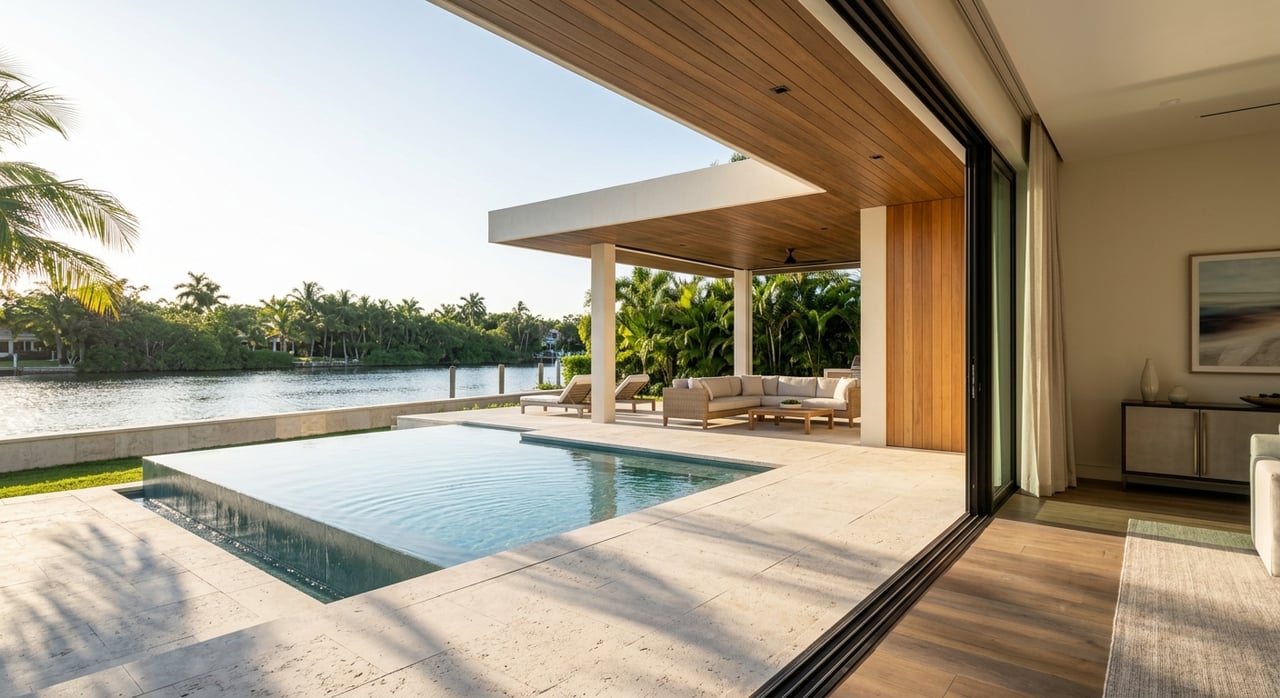
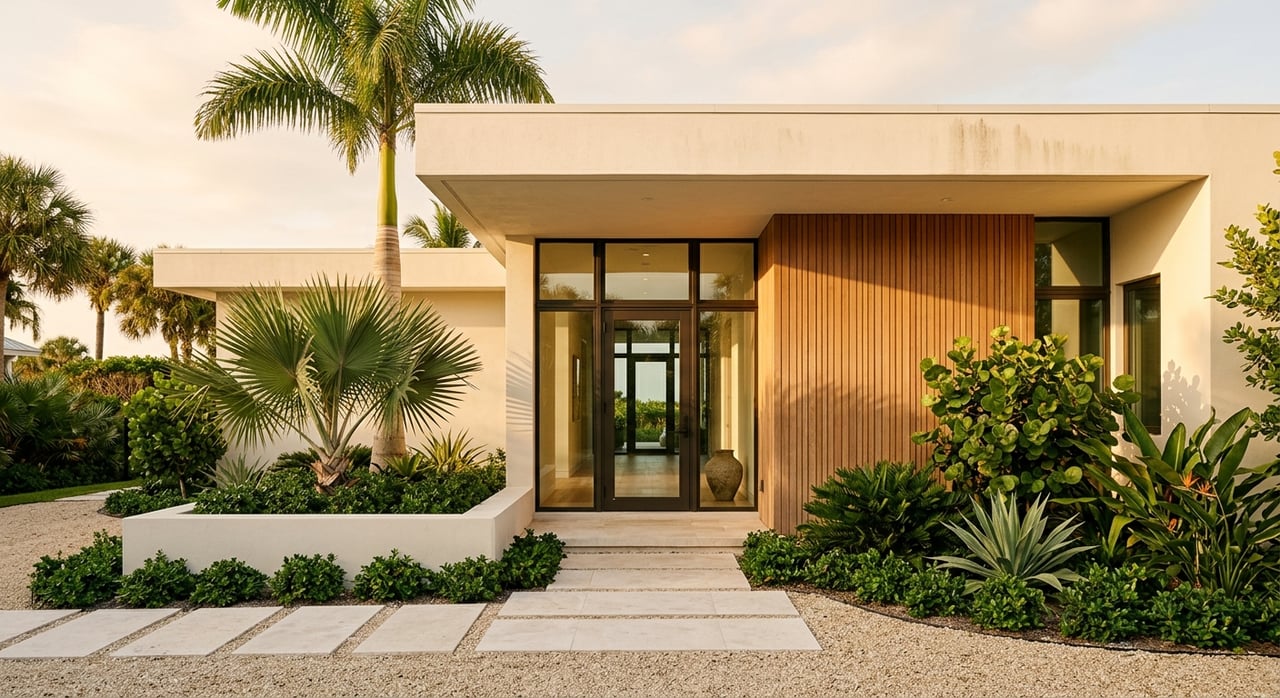
At the same time, the island is not limited to condos alone. Visitor materials also reflect a mix that includes beachfront condominiums, villas, rental homes, and boutique stays, which supports the broader view that Siesta Key includes waterfront homes and other low-rise residential options as well.
For buyers, the key is matching the property type to your goals. Some people want walkability and simpler upkeep, while others prioritize privacy, water access, or a more residential feel.
Seasonal Patterns That Shape Island Life
If you are thinking about buying on Siesta Key, it is important to understand that life here changes with the seasons. The island does not feel exactly the same in January as it does in August.
Winter is generally warm and sunny, and Visit Sarasota notes that this is when many seasonal residents head south. That means cooler months often feel busier, more social, and more event-driven.
Summer brings a different pace. Sarasota County notes that daytime temperatures typically run from the upper 80s to low 90s, with afternoon showers common and the wet season usually lasting from June through October.
NOAA climate normals for the Sarasota-Bradenton area show average highs around 72.5°F in January and 75.2°F in December, while July and August average about 91.1°F to 91.5°F. The heaviest rainfall typically falls from June through September.
There is also the broader weather reality of coastal Florida. Atlantic hurricane season runs from June 1 through November 30, which makes weather awareness part of practical planning for owners and seasonal residents.
None of this is a reason to avoid the island. It is simply part of making an informed decision. Buyers who understand the seasonal rhythm tend to make better choices about location, property type, and how they plan to use the home.
Who Siesta Key Living Suits Best
Siesta Key can work well for different kinds of buyers, but it tends to be especially appealing if lifestyle is part of your decision. You may be drawn to the island if you want a coastal setting with everyday convenience, a condo-oriented housing mix, and regular access to dining, boating, and walkable pockets.
It can also be a strong fit if you are considering a seasonal home and want a place that feels active in winter but still offers quieter corners. The island’s layout gives you options depending on whether you prefer village energy, beach access, or a more tucked-away environment.
The right choice often comes down to how you want to live when you are not on the beach. That is where local guidance becomes especially valuable, because a property can look great online but function very differently in day-to-day life.
If you are comparing Siesta Key with other Sarasota-area coastal communities, it helps to look beyond photos and focus on routines, access, maintenance, and long-term fit. That is often where the best decisions are made.
If you are considering a move, second home, or investment purchase on Siesta Key, working with a local advisor who understands both the lifestyle and the details can make the process much clearer. For thoughtful guidance tailored to your goals, connect with K. Veronica Lee.
FAQs
What is everyday living like on Siesta Key beyond the beach?
- Everyday life on Siesta Key can include errands in Siesta Key Village or South Village, casual dining, Sunday farmers market visits, trolley rides, and regular access to boating, paddling, and fishing.
Is Siesta Key walkable for daily activities?
- Some parts are more walkable than others, especially Siesta Key Village, which has sidewalks, benches, shops, dining, and basic services in a central area.
Can you live on Siesta Key without driving everywhere?
- In some cases, yes. The free 77 Siesta Islander trolley runs daily from 8 a.m. to 10 p.m. and connects key island stops as well as downtown Sarasota.
What types of homes are common on Siesta Key?
- Siesta Key has a strong condo and multi-unit presence, along with waterfront homes and other low-rise residential options.
What is Siesta Key like in winter versus summer?
- Winter tends to be warmer, busier, and more active with seasonal visitors, while summer is typically hotter, wetter, and more weather-aware, with common afternoon showers and hurricane season running from June 1 through November 30.
What part of Siesta Key feels quieter for full-time or seasonal living?
- The south end is generally described as quieter and more restorative, while the north end is known as the more social and walkable center.